

Best Small Dog Car Seats (2026): Top Picks for Safety & Comfort
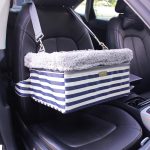
Choosing the best small dog car seat is important if you want your dog to stay safe, comfortable, and calm during car rides.
The best small dog car seats in 2026 are usually booster-style seats that elevate your dog, improve visibility, and reduce anxiety while traveling.
👉 Quick answer:
– Small dogs need a compact booster seat
– Look for stable support and safety straps
– Comfort matters, especially for longer trips
Below are the best small dog car seats you can choose from right now.
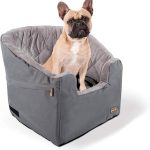
1. Best Overall Small Dog Car Seat – K&H Bucket Booster Seat
⭐ Best Overall Pick for Small Dogs (2026)
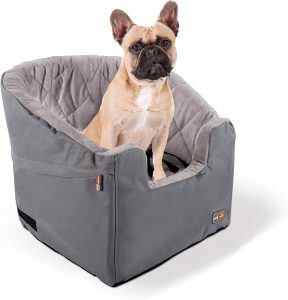
The K&H Bucket Booster Dog Car Seat is one of the best choices for small dogs, especially if you want a secure and elevated seating position during car rides.
👉 Why this is a top pick:
Its sturdy frame and booster design help keep your dog stable while also giving them a better view outside, which can reduce anxiety and improve comfort.
It’s a great all-around option for daily use and longer trips.
Pros:
- Strong and durable metal frame
- Elevated booster design improves visibility
- Helps reduce anxiety during travel
- Removable, washable cover
- Available in multiple sizes
.
Cons:
- Installation may take a bit of time
- Larger sizes can take up more space
👉 Check latest price and availability:
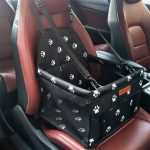
2. Best Lightweight Dog Car Seat – SWIHELP Dog Car Seat
⚡ Best Lightweight Option for Small Dogs (2026)
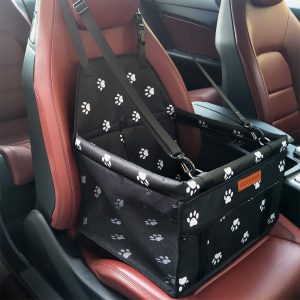
The SWIHELP Dog Car Seat is a great lightweight option for small dogs, especially if you’re looking for something easy to install and use daily.
👉 Why choose this model:
Its compact and simple design makes it perfect for quick trips, while still providing enough support and safety for smaller dogs.
It’s a solid choice if you want something practical without spending too much.
Pros:
- Lightweight and easy to install
- Waterproof material for easy cleaning
- Adjustable straps for a secure fit
- Includes safety leash
- Handy storage pocket
Cons:
- Less padding than premium models
- Not suitable for larger dogs
👉 Check latest price and availability:
If safety is your priority, combining this seat with a proper harness setup is always a smart choice.
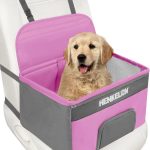
3. Best Compact Dog Car Seat – Henkelion Booster Seat
🧳 Best Compact Option for Small Dogs (2026)
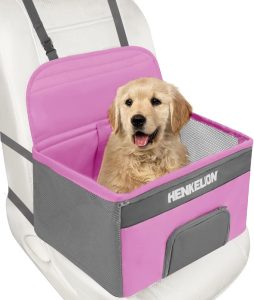
The Henkelion Dog Car Seat is a great compact option for small dogs, especially if you want something easy to store and simple to use.
👉 Why choose this model:
Its foldable and space-saving design makes it ideal for smaller cars or occasional use, while still providing a secure and elevated position for your dog.
It’s a practical choice for everyday trips without taking up too much space.
Pros:
- Compact and space-saving design
- Easy to install and remove
- Foldable for storage
- Reinforced sides for added support
- Suitable for small dogs
Cons:
- Less padding than comfort-focused models
- Not ideal for long road trips
👉 Check latest price and availability:
If you’re comparing different seat styles, it’s worth understanding how each type works before choosing.
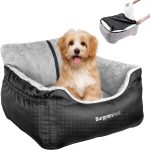
4. Most Comfortable Dog Car Seat – BurgeonNest Dog Car Seat
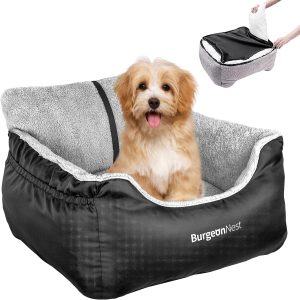
The BurgeonNest Dog Car Seat is designed for maximum comfort, making it one of the best options for small dogs during longer car rides.
👉 Why choose this model:
Its soft, plush interior creates a cozy space where your dog can relax, sit, or even sleep while traveling.
This makes it a great choice for anxious dogs or for owners who take frequent trips.
Pros:
- Soft and plush interior for extra comfort
- Great for long car rides
- Helps reduce anxiety
- Easy to clean materials
- Foldable for storage
Cons:
- Less elevated than booster-style seats
- Not ideal for dogs that prefer looking outside
👉 Check latest price and availability:
If your dog prefers a softer travel experience, this type of seat can make a big difference.
5. Best Budget Dog Car Seat – MARSLABO Booster Seat
💰 Best Budget Option for Small Dogs (2026)
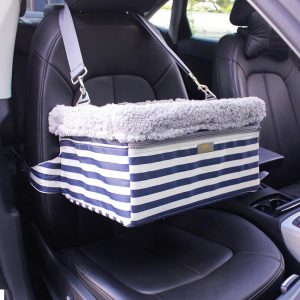
The MARSLABO Dog Car Seat is a solid budget-friendly option for small dog owners who want a simple and practical solution.
👉 Why choose this model:
It’s lightweight, easy to install, and provides a stable place for your dog during short trips.
If you’re looking for a low-cost option that still gets the job done, this is a great choice.
Pros:
- Budget-friendly option
- Lightweight and portable
- Easy to install and remove
- Non-slip bottom for better stability
- Good for short trips
Cons:
- Less durable than premium models
- Not ideal for long-distance travel
👉 Check latest price and availability:
If you’re comparing different price ranges, it’s worth understanding what features really matter before buying.
Best Small Dog Car Seat Comparison
| Product | Why Choose It | Rating |
|---|---|---|
| K&H Bucket Booster Seat | Best overall for safety and visibility | ★★★★★ |
| SWIHELP Dog Car Seat | Best lightweight option for daily use | ★★★★☆ |
| Henkelion Booster Seat | Best compact choice for small spaces | ★★★★☆ |
| BurgeonNest Dog Car Seat | Best for comfort and long car rides | ★★★★★ |
| MARSLABO Booster Seat | Best budget option for short trips | ★★★★☆ |
Final Thoughts
Before hitting the road with your furry friend, investing in a reliable dog car seat is essential for their safety and comfort. Based on our analysis, the K&H Pet Products Bucket Booster Dog Car Seat stands out as the top choice, offering a perfect balance of quality, durability, and comfort. If you have a smaller dog, the SWIHELP Dog Car Seat and Henkelion Small Dog Car Seat are worthy contenders to consider.
Remember, every dog is different, so choose a car seat that suits your pet’s size, needs, and temperament. No matter which one you choose from our list, ensuring your dog’s safety during car journeys is the ultimate priority. Happy travels with your furry co-pilot!
How to Choose the Right Size Dog Car Seat for Your Canine Companion
Traveling with your dog is an incredible experience, but ensuring their safety during car rides is of utmost importance. One of the key factors in providing a safe and comfortable journey for your furry friend is choosing the right size dog car seat. A properly fitted car seat will not only keep your dog secure but also prevent discomfort and anxiety during travel. Here’s a helpful guide to finding the perfect fit for your canine co-pilot:
1. Measure Your Dog: Before you start shopping for a dog car seat, take accurate measurements of your furry friend. Measure their length from the tip of their nose to the base of their tail and their height from the top of their head to the ground. Additionally, measure their weight as it plays a crucial role in determining the appropriate car seat size.
2. Check Weight and Size Limits: Once you have your dog’s measurements, pay close attention to the weight and size limits specified by the car seat manufacturer. Dog car seats come in various sizes, accommodating different breeds and weights. Ensure that your dog falls within the recommended range to guarantee a snug and secure fit.
3. Consider Your Dog’s Behavior: Understanding your dog’s behavior during car rides can help you choose the right car seat style. Some dogs prefer to sit or lie down quietly during travel, while others may get anxious and want to see outside. For dogs that enjoy looking out the window, consider an elevated car seat that provides a better view, but make sure it still keeps them safely restrained.
4. Evaluate the Car’s Interior Space: Measure the available space in your car where you plan to install the dog car seat. Consider the dimensions of the car seat and how it will fit within the vehicle. Be mindful of any obstructions, like seat belts or consoles, that may interfere with the installation or your dog’s comfort.
5. Safety Features: Always prioritize safety features when choosing a dog car seat. Look for models that have secure harness attachments to keep your dog in place during sudden stops. The car seat should also have sturdy construction to withstand any impact and a non-slip base to prevent sliding during travel.
6. Comfort and Materials: Your dog’s comfort is essential for an enjoyable journey. Choose a car seat with soft, padded materials that provide adequate support for your dog’s body. Removable and washable covers are a plus, as they make cleaning a breeze.
7. Read User Reviews: Take advantage of online reviews and testimonials from other pet owners who have used the dog car seat you’re considering. Their experiences can offer valuable insights and help you make an informed decision.
8. Consult with Your Veterinarian: If you’re unsure about which size or type of car seat is best for your dog, don’t hesitate to consult with your veterinarian. They can offer personalized recommendations based on your dog’s breed, size, and health considerations.
Choosing the right size dog car seat ensures that your furry companion enjoys every car ride safely and comfortably. By considering your dog’s measurements, behavior, and safety features, you’ll find the perfect car seat that will make your adventures together even more enjoyable. Happy travels with your canine co-pilot!
Avoid These Common Mistakes When Traveling with Your Dog in a Car Seat
Traveling with our furry friends is an absolute joy, but it comes with the responsibility of ensuring their safety and well-being. Dog car seats are an excellent way to protect your canine companion during car rides, but there are some common mistakes that pet owners should avoid to ensure a smooth and secure journey. Let’s take a look at these mistakes and how to steer clear of them:
1. Skipping Proper Introductions: Introducing your dog to the car seat is essential before hitting the road. Some pet owners make the mistake of assuming their dog will automatically love the new space. Instead, allow your dog to explore and get comfortable with the car seat while it’s stationary. Offer treats and positive reinforcement to create a positive association with the seat.
2. Choosing the Wrong Size: Selecting a car seat that is too small or too big for your dog is a common mistake. A too-small car seat can be uncomfortable for your dog, while a too-large seat may not provide the necessary support and security. Refer to the manufacturer’s size and weight recommendations to find the perfect fit for your furry friend.
3. Incorrect Installation: Improperly installing the dog car seat can compromise your pet’s safety. Always follow the manufacturer’s installation instructions carefully. Double-check that the seat is securely fastened to the car and that the harness or seat belt attachment is correctly adjusted to keep your dog in place during travel.
4. Not Using a Harness or Seat Belt: Using only the car seat without securing your dog with a harness or seat belt is a significant safety oversight. In the event of a sudden stop or accident, an unrestrained dog can be seriously injured or become a dangerous projectile. Always use a harness or seat belt attachment to keep your dog safely tethered to the car seat.
5. Placing the Car Seat in an Unsafe Spot: Where you position the dog car seat matters. Placing it in the front seat or on a passenger’s lap can expose your pet to potential airbag risks in case of an accident. Instead, position the car seat in the back seat, ideally in the middle, which is the safest spot for your dog during car rides.
6. Overlooking Regular Breaks: Long car journeys can be tiring for both you and your dog. Neglecting to take regular breaks for bathroom breaks, water, and stretching can lead to discomfort and restlessness for your pet. Plan for frequent stops during your travels to ensure your dog stays happy and comfortable.
7. Not Checking Local Pet Travel Regulations: Different regions may have specific laws and regulations regarding pets in vehicles. Failing to comply with these rules can lead to fines or other consequences. Always research and adhere to the pet travel regulations of the areas you plan to visit.
By avoiding these common mistakes, you can ensure a safe and enjoyable travel experience for both you and your beloved canine companion. Remember, a little extra effort and attention to detail go a long way in making car journeys with your dog a wagging tail-worthy adventure!
The Importance of Restraints and Harnesses for Traveling with Your Furry Co-Pilot
As devoted dog owners, we cherish the moments spent with our canine companions, especially when embarking on exciting adventures together. Whether it’s a short trip to the park or a long road journey to explore new places, ensuring your dog’s safety during travel should always be a top priority. This is where restraints and harnesses for dogs play a crucial role, providing an extra layer of protection and security that every pet deserves. Let’s delve into the significance of using restraints and harnesses when traveling with your furry co-pilot:
1. Prevents Injuries during Sudden Stops or Accidents: We can’t predict road mishaps, but we can take precautions to protect our dogs from potential harm. In the event of a sudden stop or a car accident, an unrestrained dog can be violently thrown around the car, risking serious injuries to them and others in the vehicle. A proper harness or restraint system keeps your dog securely in place, minimizing the risk of injury during such unexpected incidents.
2. Reduces Driver Distractions: An unrestrained dog can become a significant distraction for the driver. They may roam freely in the car, obstruct the driver’s view, or even try to climb onto the driver’s lap, jeopardizing everyone’s safety. A harness or restraint keeps your dog confined to their designated area, allowing the driver to focus on the road without unnecessary distractions.
3. Keeps Dogs from Escaping: Some dogs may get overexcited or anxious during car rides, attempting to jump out of the window or open car doors. A secure harness or restraint prevents such escape attempts, ensuring that your dog remains safely within the vehicle at all times.
4. Provides Comfort and Stability: Well-designed harnesses are not just about safety; they also offer comfort and stability for your furry friend. Dogs can lean, sit, or lie down comfortably without feeling confined, allowing them to relax and enjoy the journey alongside you.
5. Allows for Proper Ventilation and Movement: High-quality harnesses and restraints are designed to provide ventilation and allow your dog to move freely within safe limits. This ensures that your pet doesn’t feel restricted or uncomfortable during the ride.
6. Complies with Local Regulations: Many states and regions have specific laws regarding pets in vehicles, mandating the use of restraints or harnesses while traveling. Using these safety measures ensures that you are in compliance with local regulations and avoids any potential fines or penalties.
7. Peace of Mind for Pet Parents: Knowing that your furry friend is securely restrained and protected during car rides brings peace of mind to pet parents. It allows you to focus on the journey ahead, knowing that your dog is safe and happy in the backseat.
Whether you opt for a dog-specific car harness, a seat belt attachment, or a well-secured dog car seat with built-in restraints, always remember that the safety and well-being of your dog come first. By using restraints and harnesses, you can ensure that every adventure with your four-legged co-pilot is enjoyable, worry-free, and filled with unforgettable moments together.
Cleaning and Maintenance Tips for Keeping Your Dog's Car Seat Pristine and Pet-Friendly
As pet owners, we cherish the companionship and joy our dogs bring into our lives, even during those exciting road trips together. However, the adventures can sometimes leave their mark on your dog’s car seat, and keeping it clean is essential for your pet’s health and comfort. Regular cleaning and proper maintenance not only extend the life of the car seat but also ensure a safe and hygienic environment for your furry co-pilot. Let’s explore some valuable cleaning and maintenance tips to keep your dog’s car seat pristine and pet-friendly:
1. Read the Manufacturer’s Cleaning Instructions: Before diving into the cleaning process, always refer to the manufacturer’s guidelines and instructions for cleaning the car seat. Different materials and designs may have specific cleaning requirements to maintain their quality and longevity.
2. Regularly Vacuum the Car Seat: Vacuuming the car seat is a simple yet effective way to remove loose hair, dirt, and debris. Use a handheld vacuum or the upholstery attachment of your regular vacuum cleaner to thoroughly clean the surface and crevices of the car seat.
3. Spot Clean Stains Promptly: Accidents happen, and stains on the car seat are inevitable. When dealing with stains, it’s essential to address them promptly. Use a mild pet-friendly stain remover or a solution of water and pet-safe detergent to gently dab and clean the affected area.
4. Remove and Wash Machine-Washable Covers: If your dog’s car seat has removable, machine-washable covers, take advantage of this convenient feature. Follow the manufacturer’s instructions for washing and drying the covers to maintain their appearance and cleanliness.
5. Use Pet-Friendly Cleaning Products: When cleaning the car seat, always opt for pet-friendly cleaning products that are free from harsh chemicals and toxins. Dogs have sensitive noses and skin, so choosing gentle and non-toxic cleaners is essential for their well-being.
6. Wipe Down Non-Removable Parts: For car seats with non-removable parts or surfaces, use a soft, damp cloth to wipe down and clean the areas regularly. Avoid using harsh chemicals or abrasive materials that could damage the car seat’s finish.
7. Air Out the Car Seat: Allowing the car seat to air out after cleaning can help remove any residual odors and ensure that it’s dry and ready for your next adventure.
8. Consider Using Seat Protectors: To provide an extra layer of protection for your dog’s car seat, consider using seat protectors or covers. These can help shield the car seat from dirt, scratches, and spills, making the cleaning process more manageable.
9. Inspect for Wear and Tear: Regularly inspect the car seat for any signs of wear and tear, such as loose seams or damaged straps. Addressing these issues promptly ensures that the car seat continues to function properly and safely.
By following these cleaning and maintenance tips, you can keep your dog’s car seat in top condition, providing a clean and comfortable space for your furry co-pilot on every road trip. Regular care not only enhances the car seat’s durability but also shows your love and dedication to your beloved pet’s well-being during your shared adventures.
Traveling Comfort Tips for a Happy and Content Canine Co-Pilot
As a dog lover and avid traveler, I understand the excitement of having our furry friends accompany us on our adventures. While road trips and journeys can be exhilarating, ensuring your dog’s comfort throughout the travel experience is paramount. Just like us, dogs appreciate a comfortable and stress-free journey. Here are some valuable traveling comfort tips to make every trip an enjoyable and memorable experience for your canine co-pilot:
1. Familiarize Your Dog with the Car: Before embarking on a long journey, help your dog get accustomed to the car. Start with short rides to nearby places they enjoy, gradually increasing the duration. This helps alleviate any anxiety and ensures your dog associates car rides with positive experiences.
2. Create a Cozy Travel Space: Make your dog’s travel area in the car as comfortable as possible. Place their favorite blanket or bed in the designated spot, ensuring they have a familiar and cozy space to rest during the journey. Familiar scents can also provide a sense of security for your pet.
3. Pack Their Essentials: Bring along your dog’s travel essentials, such as their favorite toys, water bowl, and a supply of fresh water. Staying hydrated during the trip is crucial, especially on warm days.
4. Plan for Frequent Breaks: Just like us, dogs need regular breaks during long car rides. Schedule frequent stops for bathroom breaks and short walks to stretch their legs and release pent-up energy. Use these breaks as bonding moments with your pet.
5. Secure Your Dog Comfortably: Ensure your dog is safely and comfortably secured in their car seat or harness. A well-fitted harness or restraint allows them to sit, lie down, and move within safe limits without feeling restricted.
6. Control the Temperature: Keep the car temperature comfortable for your dog, especially during hot weather. Use air conditioning or crack open the windows to maintain a pleasant and safe environment inside the vehicle.
7. Avoid Feeding Right Before Travel: Feeding your dog right before a car journey may lead to discomfort or motion sickness. Try to feed them a light meal a few hours before traveling to prevent any tummy troubles.
8. Play Calming Music: Soft, calming music can have a soothing effect on dogs during car rides. Consider playing gentle tunes to create a relaxed and stress-free atmosphere for your furry friend.
9. Use Calming Aids (if needed): For dogs prone to anxiety during car rides, consult with your veterinarian about using calming aids like pheromone sprays or natural remedies. These aids can help reduce stress and create a more serene travel experience for your pet.
10. Shower Them with Affection: Last but not least, shower your dog with love and attention throughout the journey. Positive reinforcement, praise, and pets can make them feel secure and cherished during the trip.
By implementing these traveling comfort tips, you’ll ensure that your four-legged co-pilot enjoys every adventure as much as you do. Remember, a comfortable and content dog is a happy travel companion, and their joyful spirit will undoubtedly add extra wag to your journey!
Safety First: Essential Tips for Traveling with Your Beloved Dog
As a devoted dog owner, there’s nothing quite like having your furry friend as your travel companion on exciting adventures. However, ensuring your dog’s safety during car journeys is paramount to making every trip a joyful and stress-free experience. Here are some essential safety tips to keep in mind when traveling with your beloved canine companion:
1. Invest in a Quality Dog Car Seat or Restraint: Choosing the right dog car seat or restraint system is the first step in ensuring your pet’s safety during travel. Opt for a high-quality car seat or harness that is specifically designed for your dog’s size and weight. These restraints keep your dog securely in place and prevent them from becoming a distraction to the driver.
2. Familiarize Your Dog with Car Rides: Before embarking on a long journey, get your dog accustomed to car rides gradually. Start with short trips to places they enjoy, providing treats and praise to create positive associations with car travel. This helps reduce anxiety and ensures a smoother journey.
3. Never Leave Your Dog Unattended: Under no circumstances should you leave your dog unattended in the car, especially in warm weather. Even with the windows cracked open, cars can heat up rapidly, leading to life-threatening heatstroke for your pet.
4. Secure All Windows and Doors: Make sure all windows and doors are securely closed while driving. Dogs are naturally curious, and an open window can tempt them to stick their head out, which poses a safety risk.
5. Use Restraints Even for Short Trips: Even if you’re just taking a quick drive to the local park, always use a restraint system for your dog. Accidents can happen at any time, and restraining your pet properly ensures their safety during unforeseen events.
6. Carry Your Dog’s Essentials: Pack your dog’s essentials for the journey, including their favorite toys, food, water, and any necessary medications. Having these items on hand keeps your dog comfortable and content throughout the trip.
7. Take Frequent Breaks: Plan for regular breaks during long journeys. Give your dog the opportunity to stretch their legs, have a bathroom break, and enjoy some fresh air. These breaks are essential for your pet’s comfort and well-being.
8. Use Identification Tags: Ensure your dog wears a collar with identification tags that include your contact information. In the event your dog gets lost during the journey, having identification will increase the chances of a safe return.
9. Familiarize Yourself with Pet-Friendly Stops: Before setting out, research pet-friendly rest areas, parks, and accommodations along your route. Knowing where you can take your dog for breaks and activities ensures a smooth and enjoyable journey for both of you.
10. Consult with Your Veterinarian: If your dog has any health concerns or is prone to motion sickness, consult with your veterinarian before traveling. They can provide valuable advice and recommend suitable remedies for a more comfortable trip.
Remember, your dog’s safety is in your hands, and taking these safety tips to heart will create a secure and loving environment for your furry co-pilot during every travel adventure. With proper precautions and a dash of adventure, you and your beloved dog can create unforgettable memories on the open road.
FAQ
What is the best car seat for small dogs?
The best car seat for small dogs is usually a booster-style seat that elevates your dog, improves visibility, and keeps them secure during travel. It should also have strong straps and a comfortable interior.
Are booster seats safe for small dogs?
Yes, booster seats can be safe for small dogs when used correctly. They help limit movement, reduce driver distraction, and provide a more stable position, especially when combined with a proper harness.
Do small dogs really need a car seat?
While not always required by law, a car seat is highly recommended for small dogs. It improves safety, reduces anxiety, and makes car rides more comfortable for both the dog and the driver.
Can I use a dog car seat without a harness?
Some dog owners do, but using a harness is strongly recommended. A harness helps secure your dog more effectively and provides better protection during sudden stops or accidents.
What size car seat should I get for my small dog?
You should choose a car seat based on your dog’s weight, size, and behavior. A properly sized seat should allow your dog to sit or lie down comfortably without too much extra space.
Are dog car seats better than seat belts?
For small dogs, car seats are often a better option because they provide both comfort and elevation. For larger dogs, a seat belt with a harness may be more appropriate.
Final Thoughts
Choosing the best small dog car seat comes down to your dog’s size, comfort, and how often you travel.
If you want the safest and most reliable option, go with a structured booster seat.
If comfort is your priority, a soft padded seat may be the better choice.
👉 Still comparing options?
Check our full guide here:
👉 Want a safer travel setup?
Learn how dog seat belts work:
👉 And if you’re choosing a harness:
See the best options here:


